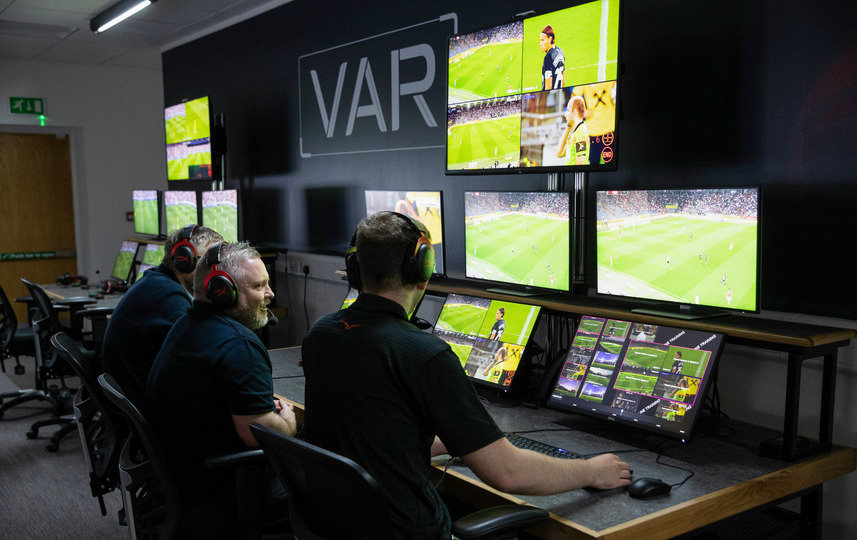
Introduction: The Rise of VAR in Football
The Video Assistant Referee (VAR) system was introduced to football in response to increasing calls for greater fairness and accuracy in officiating. Refereeing decisions have always been a subject of debate in football, and the introduction of VAR aimed to eliminate errors that could influence the outcome of a match. VAR’s potential to ensure that important decisions are made correctly is the key reason why this technology was implemented.
In this article, we’ll explore:
- The reasons behind the introduction of VAR
- The advantages of using VAR in football
- The disadvantages and challenges of the system
- How VAR is impacting the game at all levels
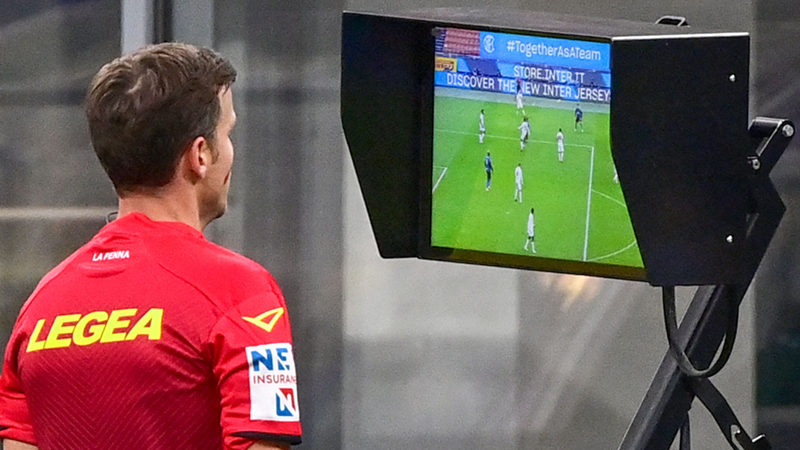
Why Was VAR Introduced in Football?
1. Eliminating Major Errors
The primary reason behind the introduction of VAR was to reduce clear and obvious mistakes made by referees during critical moments in a game. Football, like all sports, has an inherent human error factor, and some decisions can dramatically alter the course of a match.
Key Areas for VAR:
- Goals: Checking whether a goal should be awarded due to potential fouls, offside, or handball.
- Penalties: Determining if a penalty should be given for a foul or contact in the penalty area.
- Red Cards: Ensuring that serious offenses deserving of a red card are correctly identified.
- Mistaken Identity: In cases where a player is incorrectly penalized for an offense committed by another player.
VAR helps to correct clear mistakes that could have a significant impact on the match, especially when crucial moments (like a goal or penalty) are involved.
2. Improving Fairness in Decision-Making
Football is a fast-paced game with split-second decisions. Some calls, such as offside or fouls, can be difficult for referees to make in real-time, especially with the speed and intensity of the game. The introduction of VAR was designed to improve fairness by allowing referees to review contentious decisions and make sure that they are accurate.
With VAR, officials can double-check key decisions and ensure that they are fair to both teams, which was harder to achieve before the technology was in place.
3. Increasing Consistency Across Leagues
One of the challenges faced by football leagues worldwide is the inconsistency in refereeing decisions across competitions. VAR helps to standardize refereeing practices by ensuring that all referees adhere to the same protocols for reviewing decisions. This helps reduce regional biases and creates a more consistent experience for players, teams, and fans.
The Advantages of VAR in Football
Since VAR’s introduction, it has had several notable positive effects on football, both for the players and the fans.
1. More Accurate Decision-Making
The most significant advantage of VAR is its ability to provide more accurate decisions. It has the potential to correct errors that would otherwise go unnoticed by on-field referees. For example:
- A goal scored from an offside position can be ruled out after VAR review.
- A penalty decision that was initially given based on a referee’s judgment can be reversed after reviewing video footage.
With VAR, referees have the benefit of technology on their side, which improves the accuracy of decisions, especially on critical moments like goals and penalties.
2. Increased Transparency
One of the criticisms referees have faced in the past is a perceived lack of transparency in their decision-making. With VAR, the process is now more transparent, as viewers and fans can often see the decision-making process unfold in real-time. While VAR is used for decisions, some leagues have started showing the review process on stadium screens or television broadcasts, allowing fans to understand the rationale behind the referee’s decision.
This transparency can reduce fan frustrations because they can see the reasoning behind key decisions, which was not possible before.
3. Correcting Major Mistakes in Key Moments
The use of VAR can prevent a wrong decision from determining the outcome of a match. For instance:
- In the 2019 Champions League final between Liverpool and Tottenham, VAR helped to correct a handball decision in the penalty area, which otherwise could have led to a different outcome.
- Similarly, a wrong offside call that could have invalidated a legitimate goal can now be corrected using VAR.
By ensuring that major decisions are correct, VAR helps maintain the integrity of the sport and ensures that merit plays the primary role in determining the outcome.
4. Reduces Referee Pressure
Referees are under significant pressure, especially in high-stakes matches. With VAR available, referees are more confident in their decision-making, knowing they have access to video technology that can assist in making the correct call. This reduces the mental burden on referees, particularly when making difficult decisions under intense scrutiny.
VAR allows referees to take their time reviewing critical moments, ensuring they don’t rush a decision that could have lasting consequences on the match.
5. Encouraging Fair Play
The introduction of VAR encourages players to act with more integrity, knowing that their actions will be closely scrutinized. For example, players can no longer rely on diving or simulation to win penalties, as VAR can review and overturn such decisions. This leads to a more fair and honest game and helps to preserve the integrity of football.
The Disadvantages of VAR in Football
While VAR has many advantages, it is not without its drawbacks. The system has been met with significant controversy and criticism, especially in its early years.
1. Delays and Disruptions to the Game
One of the most commonly cited disadvantages of VAR is that it can cause significant delays during matches. The process of reviewing footage, especially for offside and penalty decisions, can take several minutes. This disrupts the flow of the game and can frustrate players, coaches, and fans alike.
In high-intensity matches, the emotional momentum of a match can be disrupted while waiting for the referee’s decision. Fans have often voiced their frustration over how long these reviews take, and whether the stoppages are truly necessary.
2. Inconsistency in Implementation
Although VAR is intended to ensure uniformity in decision-making, the implementation of the system has not always been consistent across leagues. Different leagues and competitions have different protocols for using VAR, which can result in varied interpretations of the technology. For instance, the way VAR is used in the Premier League might differ from how it is used in La Liga or the Bundesliga.
This lack of consistency has led to confusion, particularly in situations where fans feel that similar incidents were treated differently in various competitions. This inconsistency has often undermined VAR’s legitimacy as a tool for fairness.
3. The “Clear and Obvious” Standard
One of the most problematic aspects of VAR is the concept of a “clear and obvious error.” The technology is designed to correct mistakes that are clear and obvious, but what constitutes a clear and obvious error can be subjective. This means that some marginal decisions (like very tight offside calls) can still be left up to the referee’s discretion, leading to inconsistencies in the application of VAR.
For example, the use of VAR for offside is often a point of contention, as even marginal offsides that are measured in millimeters can lead to goals being ruled out, which some fans feel is too harsh. The subjectivity of what constitutes a “clear error” means that VAR cannot always guarantee a perfect outcome.
4. Frustration with the Human Element
Although VAR aims to reduce human error, it cannot eliminate the human element entirely. Referees are still the ones making final decisions, and the interpretation of footage is subject to their judgment. In some cases, referees overrule VAR decisions, leading to controversy and disputes.
5. Negative Impact on Celebrations
Another unintended consequence of VAR is its impact on goal celebrations. Since goals are now routinely reviewed by VAR, players are hesitant to celebrate too enthusiastically until the decision is confirmed. This can take away from the excitement and passion of the game, especially when players have to wait for minutes before knowing if their goal stands.
The Advantages of VAR in Football
Since VAR’s introduction, it has had several notable positive effects on football, both for the players and the fans.
1. More Accurate Decision-Making
The most significant advantage of VAR is its ability to provide more accurate decisions. It has the potential to correct errors that would otherwise go unnoticed by on-field referees. For example:
- A goal scored from an offside position can be ruled out after VAR review.
- A penalty decision that was initially given based on a referee’s judgment can be reversed after reviewing video footage.
With VAR, referees have the benefit of technology on their side, which improves the accuracy of decisions, especially on critical moments like goals and penalties.
2. Increased Transparency
One of the criticisms referees have faced in the past is a perceived lack of transparency in their decision-making. With VAR, the process is now more transparent, as viewers and fans can often see the decision-making process unfold in real-time. While VAR is used for decisions, some leagues have started showing the review process on stadium screens or television broadcasts, allowing fans to understand the rationale behind the referee’s decision.
This transparency can reduce fan frustrations because they can see the reasoning behind key decisions, which was not possible before.
3. Correcting Major Mistakes in Key Moments
The use of VAR can prevent a wrong decision from determining the outcome of a match. For instance:
- In the 2019 Champions League final between Liverpool and Tottenham, VAR helped to correct a handball decision in the penalty area, which otherwise could have led to a different outcome.
- Similarly, a wrong offside call that could have invalidated a legitimate goal can now be corrected using VAR.
By ensuring that major decisions are correct, VAR helps maintain the integrity of the sport and ensures that merit plays the primary role in determining the outcome.
4. Reduces Referee Pressure
Referees are under significant pressure, especially in high-stakes matches. With VAR available, referees are more confident in their decision-making, knowing they have access to video technology that can assist in making the correct call. This reduces the mental burden on referees, particularly when making difficult decisions under intense scrutiny.
VAR allows referees to take their time reviewing critical moments, ensuring they don’t rush a decision that could have lasting consequences on the match.
5. Encouraging Fair Play
The introduction of VAR encourages players to act with more integrity, knowing that their actions will be closely scrutinized. For example, players can no longer rely on diving or simulation to win penalties, as VAR can review and overturn such decisions. This leads to a more fair and honest game and helps to preserve the integrity of football.
H3: The Disadvantages of VAR in Football
While VAR has many advantages, it is not without its drawbacks. The system has been met with significant controversy and criticism, especially in its early years.
1. Delays and Disruptions to the Game
One of the most commonly cited disadvantages of VAR is that it can cause significant delays during matches. The process of reviewing footage, especially for offside and penalty decisions, can take several minutes. This disrupts the flow of the game and can frustrate players, coaches, and fans alike.
In high-intensity matches, the emotional momentum of a match can be disrupted while waiting for the referee’s decision. Fans have often voiced their frustration over how long these reviews take, and whether the stoppages are truly necessary.
2. Inconsistency in Implementation
Although VAR is intended to ensure uniformity in decision-making, the implementation of the system has not always been consistent across leagues. Different leagues and competitions have different protocols for using VAR, which can result in varied interpretations of the technology. For instance, the way VAR is used in the Premier League might differ from how it is used in La Liga or the Bundesliga.
This lack of consistency has led to confusion, particularly in situations where fans feel that similar incidents were treated differently in various competitions. This inconsistency has often undermined VAR’s legitimacy as a tool for fairness.
3. The “Clear and Obvious” Standard
One of the most problematic aspects of VAR is the concept of a “clear and obvious error.” The technology is designed to correct mistakes that are clear and obvious, but what constitutes a clear and obvious error can be subjective. This means that some marginal decisions (like very tight offside calls) can still be left up to the referee’s discretion, leading to inconsistencies in the application of VAR.
For example, the use of VAR for offside is often a point of contention, as even marginal offsides that are measured in millimeters can lead to goals being ruled out, which some fans feel is too harsh. The subjectivity of what constitutes a “clear error” means that VAR cannot always guarantee a perfect outcome.
4. Frustration with the Human Element
Although VAR aims to reduce human error, it cannot eliminate the human element entirely. Referees are still the ones making final decisions, and the interpretation of footage is subject to their judgment. In some cases, referees overrule VAR decisions, leading to controversy and disputes.
5. Negative Impact on Celebrations
Another unintended consequence of VAR is its impact on goal celebrations. Since goals are now routinely reviewed by VAR, players are hesitant to celebrate too enthusiastically until the decision is confirmed. This can take away from the excitement and passion of the game, especially when players have to wait for minutes before knowing if their goal stands.