
Posted by: AI Sporting Pro
Date: 16 April 2026
The upcoming FIFA World Cup 2026 is set to be one of the most historic and transformative tournaments in football history. With a new format, expanded teams, and multiple host nations, the competition is expected to redefine the global football experience. Fans, players, and nations are all preparing for what promises to be the biggest World Cup ever staged.
This guide covers everything you need to know about the FIFA World Cup 2026—from format changes and host cities to teams, players, and what makes this edition unique.
🌎 A Historic First: Three Host Nations
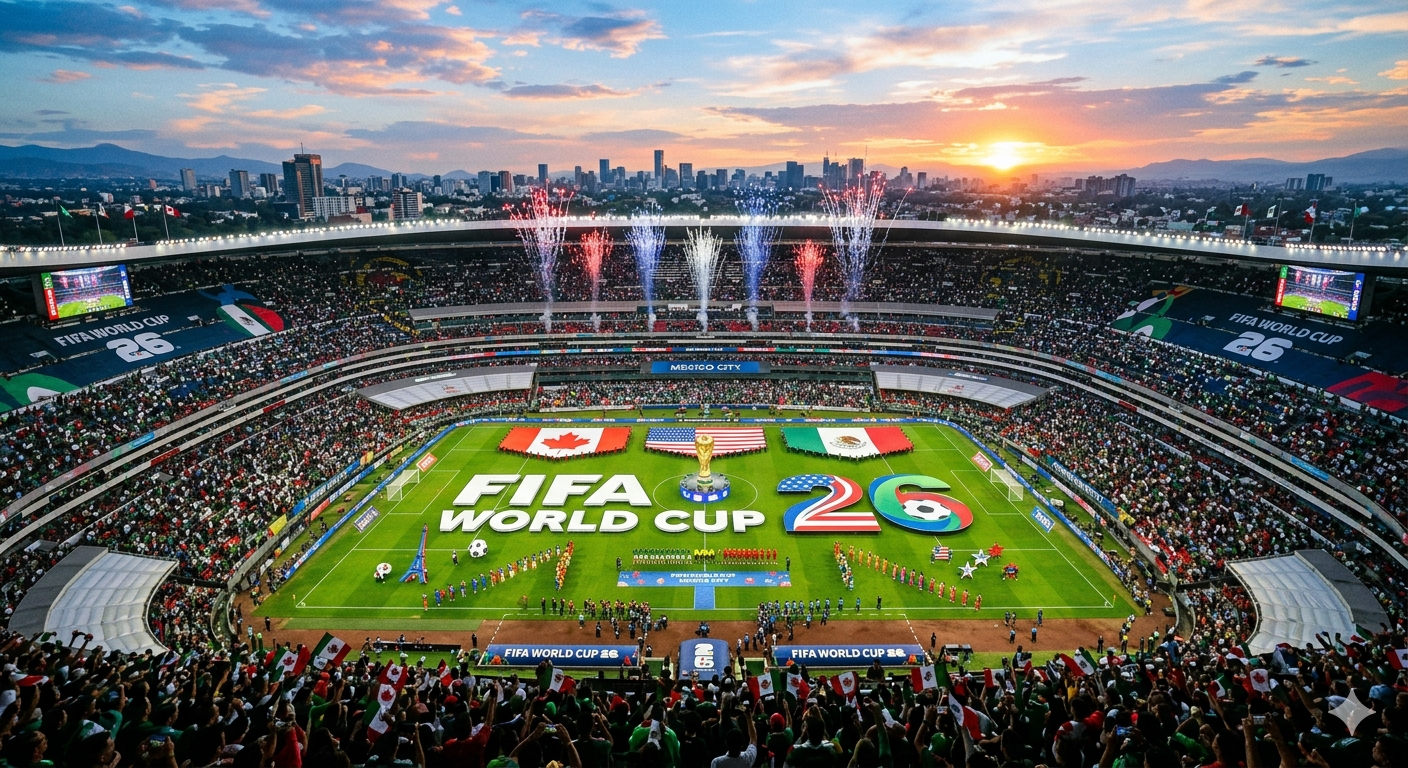
For the first time in history, the World Cup will be hosted by three countries:
- United States
- Canada
- Mexico
This tri-nation hosting model reflects FIFA’s ambition to expand football’s global reach and deliver a truly continental tournament. Matches will be played across multiple cities in North America, offering diverse atmospheres, cultures, and fan experiences.
The United States will host the majority of matches, including the final, thanks to its advanced infrastructure, world-class stadiums, and strong commercial capacity. Mexico will make history by becoming the first country to host the World Cup three times, while Canada will host matches for the first time ever.
⚽ Expanded Format – 48 Teams
One of the biggest changes in the 2026 World Cup is the expansion from 32 to 48 teams. This new structure significantly increases global representation and gives more countries the opportunity to compete on football’s biggest stage.
📊 New Tournament Structure
- 48 teams divided into 12 groups
- Each group contains 4 teams
- Top 2 teams from each group qualify
- 8 best third-placed teams also advance
This creates a 32-team knockout stage, starting from the Round of 32 instead of the traditional Round of 16.
The expansion means more matches, more goals, and more opportunities for surprises. Smaller football nations now have a realistic chance to compete and make history.
🏟 Stadiums and Cities
The tournament will be played across multiple cities in North America, featuring some of the most modern and iconic stadiums in the world.
🇺🇸 United States (Major Host)
Cities include:
- New York/New Jersey
- Los Angeles
- Dallas
- Miami
- Atlanta
- Seattle
🇲🇽 Mexico
Cities include:
- Mexico City
- Guadalajara
- Monterrey
🇨🇦 Canada
Cities include:
- Toronto
- Vancouver
Each venue is expected to deliver a unique football experience, combining modern facilities with passionate fan bases.
🌟 Teams to Watch
With 48 teams participating, the competition will feature both traditional powerhouses and emerging football nations.
🏆 Favorites
- Argentina – Defending champions with strong squad depth
- France – Consistent performers with elite talent
- Brazil – Always a contender with attacking brilliance
- England – Young squad with growing experience
- Germany – Rebuilding but dangerous
🔥 Strong Contenders
- Spain – Tactical and possession-based excellence
- Portugal – Balanced squad with attacking threat
- Netherlands – Organized and disciplined
- Belgium – Experienced core with potential resurgence
🌍 Rising Nations
The expanded format gives more visibility to countries from Africa, Asia, and North America. Nations like Morocco, Nigeria, Japan, and the United States could surprise many.
⭐ Players to Watch
The 2026 World Cup will showcase both established superstars and rising talents.
🌟 Global Stars
- World-class forwards and midfielders expected to dominate headlines
- Players with experience in top European leagues will play key roles
🚀 Young Talents
- A new generation of players will emerge
- Speed, creativity, and technical ability will define the tournament
This World Cup could mark the transition from one football generation to another.
🧠 Tactical Evolution
Modern football tactics will play a crucial role in the 2026 tournament. Teams are becoming more flexible and data-driven, with strategies evolving rapidly.
Key Tactical Trends:
- High pressing systems
- Fast transitions and counter-attacks
- Positional play and ball control
- Defensive compactness
Coaches will need to adapt quickly due to the increased number of matches and diverse opponents.
📅 Match Schedule and Timing
Due to the geographical size of the host nations, scheduling will be carefully managed to reduce travel fatigue for teams.
- Matches will be spread across different time zones
- Fans worldwide will have flexible viewing times
- Rest periods between matches will be crucial
This structure aims to maintain player performance while maximizing global viewership.
💰 Economic Impact
The FIFA World Cup 2026 is expected to generate massive economic benefits:
- Billions in revenue from tourism and sponsorship
- Job creation across host cities
- Infrastructure development and upgrades
The tournament will also boost football popularity in North America, especially in the United States and Canada.
📺 Technology and Innovation
The 2026 World Cup will feature advanced technology to enhance both gameplay and fan experience.
🔧 Expected Innovations:
- Improved VAR (Video Assistant Referee) systems
- Advanced goal-line technology
- Enhanced broadcasting quality (4K/8K streaming)
- Interactive fan engagement platforms
Technology will ensure fairness, accuracy, and entertainment throughout the tournament.
🌍 Cultural Impact
The World Cup is more than just football—it is a global celebration of culture and unity.
- Fans from around the world will gather in North America
- Cultural exchange will be at its peak
- Music, food, and traditions will blend together
This tournament will showcase diversity on a global stage.
⚠️ Challenges to Consider
Despite the excitement, the 2026 World Cup faces several challenges:
🌐 Travel Logistics
Teams and fans will need to travel long distances between cities.
🌡 Climate Conditions
Different cities may have varying weather conditions, affecting player performance.
⚖️ Competitive Balance
With more teams, maintaining high-quality matches will be important.
FIFA and organizers are working to address these concerns effectively.
🏆 What Makes 2026 Special?
The FIFA World Cup 2026 stands out for several reasons:
- First 48-team tournament
- First tri-nation hosting
- Largest number of matches in history
- Greater global representation
It represents the future of international football.
🔮 Predictions and Expectations
The expanded format makes predictions more difficult than ever. While traditional powerhouses remain favorites, the chances of underdog stories are significantly higher.
Expect:
- More upsets
- New football heroes
- Intense knockout battles
- Unforgettable moments
The competition will be more unpredictable and exciting than previous editions.
🧾 Final Thoughts
The FIFA World Cup 2026 is not just another tournament—it is a turning point in football history. With its expanded format, global inclusivity, and technological advancements, it promises to deliver an unmatched football experience.
Fans can expect a blend of tradition and innovation, where established giants compete alongside emerging nations for ultimate glory. Whether you are a casual viewer or a passionate supporter, this World Cup will offer something for everyone.
As the countdown continues, anticipation is building across the globe. The stage is set, the teams are preparing, and history is waiting to be written.
Summary Table: Key Facts
| Feature | Details |
|---|---|
| Host Nations | Canada, Mexico, United States |
| Number of Teams | 48 |
| Total Matches | 104 |
| Group Stage | 12 groups of 4 teams |
| Tournament Dates | June 11 – July 19, 2026 |
| Opening Match | Mexico City (Estadio Azteca) |
| Final Venue | New York New Jersey Stadium |
⚽ Conclusion
The FIFA World Cup 2026 will redefine the global football landscape. From its groundbreaking structure to its worldwide impact, it stands as a symbol of football’s growth and unity.
All eyes will be on North America as the world comes together to celebrate the beautiful game once again.


